
We Help Clients Protect Their Assets
During your lifetime, you worked hard to accumulate your assets and build your wealth. It can be stressful worrying about what will happen to your assets if you need to be placed in a nursing home and whether your assets will be available to assist your family when you die. Our Certified Elder Law Attorneys can work with you to prepare an asset protection plan which will protect your assets from being used to pay for nursing home expenses and preserve them for future generations. The plan will also assist you with qualifying for Medicaid to pay for any nursing home expenses you may incur.
You can take comfort in knowing that the plan developed with our Certified Elder Law Attorneys will ensure that your assets won’t be depleted to provide for your care and that they will be available to benefit future generations. We can also assist in the administration of the estate of a loved one to make sure that the estate is administered properly and that the assets are distributed pursuant to their wishes. If you have questions or concerns about any of these matters, we encourage you to contact us today.
Please click here to learn more about how we can assist you with your legal concerns.
Practice Areas

Elder Law

Estate Planning

Personal Injury

Litigation

Business Law & Litigation

Real Estate Law

Family Law
We Help Clients Get Paid For Their Injuries
If you’ve been injured as a result of someone else’s carelessness, it can leave you feeling helpless and concerned as to how you will be able to provide for your family. You are suddenly faced with medical expenses, lost wages and are no longer able to enjoy activities you enjoyed prior to the injury. We understand these difficulties because we have helped thousands of injured clients get paid for their injuries. We can assist by helping you prepare your claim and pursuing the individual responsible for your injuries. We also help you to take steps to maximize your recovery and to speed up the payment of your damages. You can feel confident in following our process that you have maximized your recovery, so you are able to stabilize your finances and better provide for your family. To learn more about how we can help you, please contact us today.
Please click here to learn more about how we can assist you with your legal concerns.
We Help Clients Successfully Run Their Businesses
If you are looking to set up a new business, we can help you set it up properly. Many people are looking to start a new business because they have lost a job or are wanting to be their own boss and to be able to provide for their family. It can be stressful knowing the proper steps to take.
We can assist you in taking the proper steps to set up your business and the proper procedures to follow to ensure that your business operates efficiently, and your personal assets are protected from the business’ creditors. We can also assist you with the ongoing operation of your business. We have been helping local businesses for the past 30 years.
We can assist the company by preparing any business documents needed to properly operate and grow the business, including real estate purchase agreements, asset purchase agreements, leases, contracts and any business operation and employment documents.
We can also assist you in any litigation involving your business to bring it to a prompt resolution in an efficient manner. You can feel confident in working with our business attorneys that your business is set up properly and that it is following the proper procedures to be successful and to keep your personal assets protected. To schedule a consultation, please complete our short contact form.
Please click here to learn more about how we can assist you with your legal concerns.
We Help Clients Who Have Been Taken Advantage Of Recover Their Damages
If you have been taken advantage of by someone it can leave you feeling embarrassed and helpless. It may have been a contractor who performed shoddy repairs on your home or a sibling serving as the trustee of your parent’s trust who is using the money in the trust for his personal benefit. You know that the individual needs to be held accountable for the damages they have caused, but you are uncomfortable with confronting the individual and aren’t sure how to recover your damages. We can assist you in recovering your damages. Claims brought under the above examples would be brought pursuant to the Ohio Consumer Sales Practices Act and the Ohio Uniform Trust Act.
The Ohio Consumer Sales Practices Act allows an individual to recover up to three times their actual damages. The Ohio Consumer Sales Practices Act and the Ohio Uniform Trust Act also allow an individual to recover their attorney’s fees and costs. We will help you understand your rights, know the full extent of your damages and to take steps to maximize your recovery. Our process in pursuing claims for individuals who have been taken advantage of will allow you to know that your rights have been protected and that you have received the maximum recovery for your damages. To learn more about your options, please contact us to schedule a consultation.
Please click here to learn more about how we can assist you with your legal concerns.
We Help Clients Terminating Their Marriage Protect Their Rights
The termination of a marriage is a difficult process to go through. Most people don’t know what their rights are, what they are entitled to, and what parenting time is in the best interest of their children. It is also difficult to discuss property division, parenting time and support payments with your spouse if you are no longer getting along.
You can feel confident in working with our domestic relations attorneys and understanding our domestic relations process that you have taken the steps necessary to receive all the assets you are entitled to and that you have properly addressed the parenting time and support for your children. To discuss your goals and concerns, please contact us today.
Please click here to learn more about how we can assist you with your legal concerns.

Phillip J. Henry
President | Shareholder
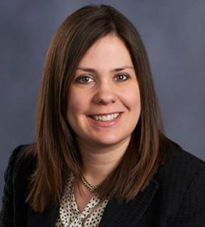
Erica A. Skerl
Vice President | Shareholder

Nicholas E. Phillips
Of Counsel

Csilla E. Smith
Attorney